
Assistive technology has fundamentally transformed disability rehabilitation, giving millions of people practical tools to regain independence, participate fully in daily life, and achieve goals that might otherwise remain out of reach. From powered prosthetics with microprocessor control to smartphone apps that convert speech to text in real time, these innovations work alongside traditional therapy to accelerate recovery, compensate for permanent limitations, and open doors to education, employment, and social connection.
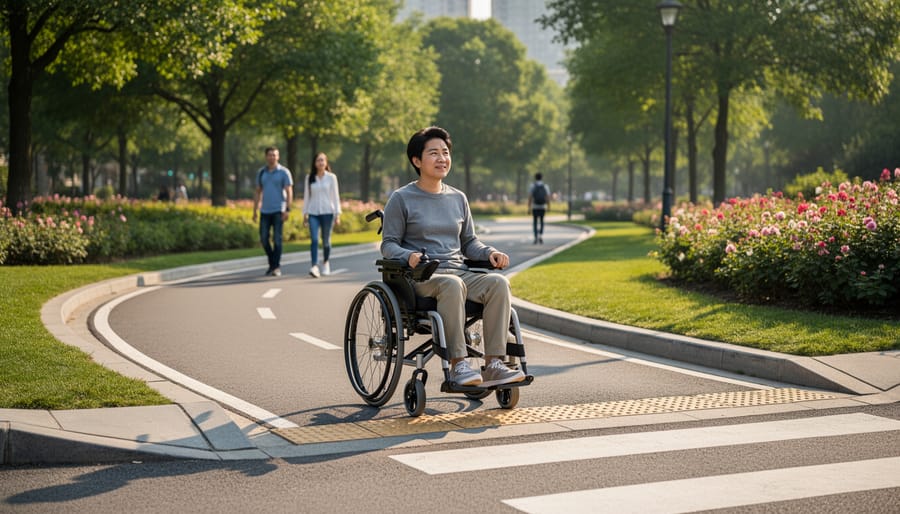
The right assistive device does more than fill a functional gap. It becomes part of a person’s rehabilitation journey, adapting as their needs change and their skills grow. A manual wheelchair user learning to navigate their community builds strength and confidence differently than someone using a powered chair, yet both options serve legitimate rehabilitation goals when matched thoughtfully to individual circumstances. Speech-generating devices help nonverbal individuals participate in therapy sessions, while environmental control units let people with limited mobility practice decision-making and self-direction from their own homes.
Understanding the current landscape means recognizing how rapidly this field is evolving. Technologies once available only in specialized clinics now appear in consumer devices. Artificial intelligence helps personalize therapy programs. Wearable sensors track movement patterns to inform clinical decisions. The challenge for individuals, families, and professionals lies not in finding options, but in navigating the overwhelming number of choices, understanding what evidence supports various claims, and accessing devices that insurance may or may not cover.
This guide cuts through the complexity. You’ll learn how different categories of assistive technology support specific rehabilitation outcomes, what questions to ask before making a selection, and how to overcome common financial and training barriers. Whether you’re beginning your rehabilitation journey, supporting someone through it, or working as a professional in the field, you’ll find concrete strategies grounded in real-world experience and backed by expert insights.
What Assistive Technology Really Means for Rehabilitation Today
Assistive technology encompasses any device, equipment, or system that helps people with disabilities perform tasks that might otherwise be difficult or impossible. In rehabilitation, these tools serve a specific purpose: they bridge the gap between a person’s current abilities and their goals for independence, supporting recovery and adaptation rather than simply replacing lost function.
The distinction matters. Traditional rehabilitation focuses on therapy and exercises to restore function, building strength, relearning movement patterns, improving coordination. Assistive technology works alongside these efforts, providing practical support while someone progresses through rehabilitation or adapting to permanent changes. A person recovering from a stroke might use both physical therapy to regain arm strength and adaptive utensils to maintain independence at mealtimes during recovery.
- Assistive Technology
- Any item, piece of equipment, or system that helps people with disabilities perform functions that might otherwise be difficult or impossible, ranging from simple tools to complex electronic devices.
- Adaptive Devices
- Specialized equipment modified or designed to accommodate individual needs and physical limitations, such as button hooks, modified keyboards, or customized grips.
- Rehabilitation Technology
- Tools and devices specifically used during recovery and therapy to help individuals regain skills, adapt to new limitations, and achieve rehabilitation goals.
- Accessibility Tools
- Products and systems that remove barriers in the environment, enabling equal access to spaces, information, and activities for people with disabilities.
The spectrum runs wider than most people realize. Low-tech solutions like reachers, sock aids, and textured grips require no power or training but solve real daily challenges. Mid-tech options might include adapted keyboards or simple voice recorders. High-tech assistive technology encompasses everything from sophisticated prosthetics with microprocessor control to environmental control systems operated by eye gaze.
What’s changed in recent years is integration. Modern rehabilitation doesn’t treat these categories separately. Someone might use a simple grip aid (low-tech) on utensils while also relying on smartphone voice commands (high-tech) to control home lighting and door locks. The technologies work together, creating layered support systems that adapt as needs change. A device that seems basic can have profound impact, while expensive technology isn’t always the right answer for every situation.
The Technologies Making the Biggest Impact Right Now
Advanced Prosthetics and Adaptive Equipment
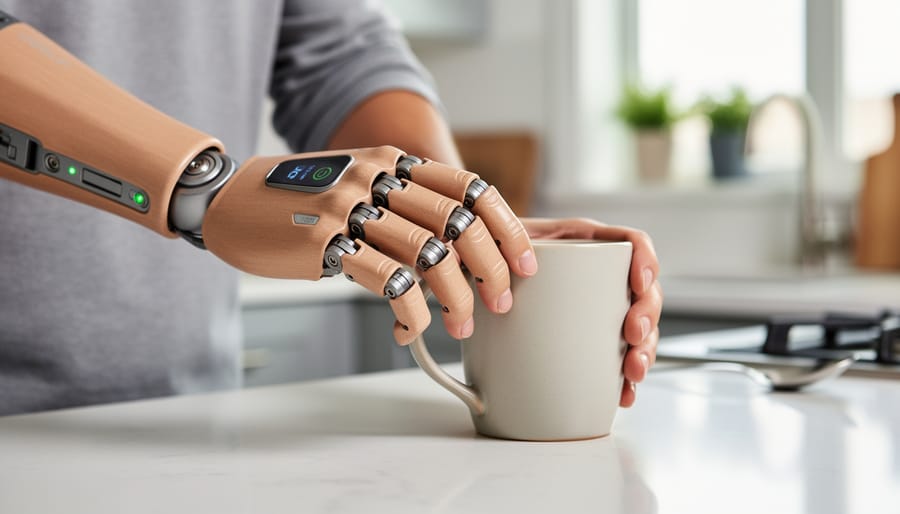
Modern prosthetic technology has moved far beyond the passive devices of previous decades. Today’s advanced prosthetics use myoelectric sensors that detect electrical signals from residual muscles, translating those signals into precise movements. A person with an upper limb difference can now grip a coffee cup, type on a keyboard, or shake hands with natural-feeling control.
Microprocessor-controlled lower limb prosthetics adjust in real time to different walking speeds, terrain changes, and activities. These devices use gyroscopes and accelerometers to sense movement patterns and automatically adapt resistance and alignment. The result is smoother gait, reduced energy expenditure, and greater confidence on stairs or uneven surfaces.
Customization has become central to prosthetic design. Socket technologies now incorporate flexible materials that accommodate volume changes throughout the day, while 3D scanning and printing allow for precise fitting that reduces discomfort and skin issues. Some devices offer modular components that users can swap based on their daily activities, from running blades to waterproof feet for swimming.
Beyond prosthetics, adaptive equipment has evolved to be genuinely responsive. Adaptive utensils now feature weighted handles with ergonomic grips that compensate for tremors or limited dexterity. Adjustable reaching tools extend independence in the home. Adaptive clothing incorporates magnetic closures and seated designs that acknowledge real dressing challenges.
The key shift is personalization. Rehabilitation teams now work with individuals to configure devices that match specific goals, whether returning to a sport, pursuing a profession, or simply managing daily tasks with less fatigue.
Smart Integration and Connected Solutions
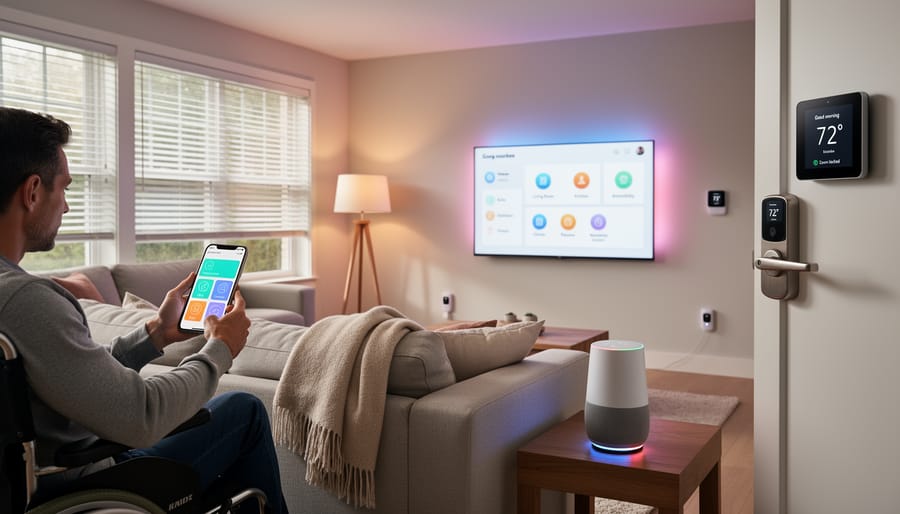
The days of assistive technology existing in isolation are over. Today’s devices talk to each other, creating integrated support networks that respond to how you actually live. Your prosthetic limb can sync with your smartphone. Your wheelchair communicates with your home’s lighting and temperature controls. Voice commands can operate devices that were once manual-only, and smartphone apps can fine-tune settings that previously required a technician visit.
Voice assistants like Alexa, Google Assistant, and Siri have become powerful accessibility tools, controlling everything from door locks to medication reminders without requiring manual dexterity. Smart home integration means people with limited mobility can adjust thermostats, close blinds, or turn on appliances through simple voice commands or phone taps. For someone with upper limb differences, this connectivity transforms daily tasks that were once challenging or impossible into routine actions.
The real breakthrough is not just connectivity, but customization. Modern assistive apps let users create personalized routines. Morning preparations can happen with a single command that raises blinds, starts coffee, and adjusts room temperature. Evening routines can secure doors and turn off lights without physical interaction. Prosthetic users can adjust grip strength or sensitivity through their phones mid-activity, adapting to different tasks without removing the device.
This integration extends to health monitoring. Wearable sensors track activity patterns, pressure points, and device performance, alerting users and clinicians to potential issues before they become problems. Data syncs automatically to rehabilitation teams, enabling remote adjustments and reducing clinic visits. The technology becomes invisible support rather than a separate system requiring constant attention.
Mobility and Access Innovations
Mobility innovations in 2026 span from ultra-lightweight manual wheelchairs with intuitive positioning systems to powered lower-limb exoskeletons that enable standing and walking for individuals with spinal cord injuries. Modern power wheelchairs now feature obstacle detection, automatic tilt functions, and smartphone control for precise maneuvering in tight spaces. Transfer aids have evolved beyond basic lifts to include smart systems that guide safe positioning and reduce caregiver strain. Environmental control units integrate seamlessly with home automation, allowing voice or switch control of doors, lighting, thermostats, and appliances from a single interface. These advancements focus on reducing physical barriers while increasing independence in daily navigation and home management.
How to Find the Right Assistive Technology for Your Needs
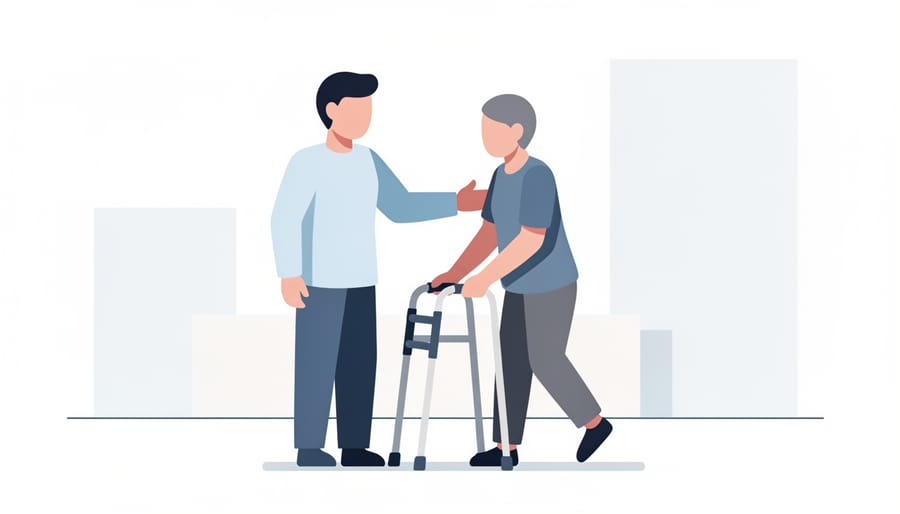
Finding the right assistive technology starts with understanding what you actually need it to do, not what looks impressive in a showroom. The process requires honest self-assessment, professional guidance, and hands-on experience before making financial commitments.
Begin by documenting specific challenges you face in daily activities. Instead of thinking “I need better mobility,” identify concrete situations: getting from bedroom to bathroom safely at night, reaching items on high shelves, or maintaining balance during transfers. These specific details help rehabilitation professionals recommend targeted solutions rather than generic equipment.
- List activities where you need support, noting time of day, frequency, and what makes each task difficult
- Schedule an assessment with an occupational therapist or physical therapist who specializes in assistive technology
- Request device trials or demonstration sessions before purchasing anything
- Test equipment in environments where you’ll actually use it, not just clinical settings
- Verify compatibility with your existing equipment and living space
- Confirm maintenance requirements, warranty coverage, and local repair options
Working with rehabilitation professionals transforms the selection process because they see patterns you might miss. An occupational therapist can identify whether a reaching aid solves your kitchen access issues or whether the real problem is counter height. They also know which devices work well together. Someone using a power wheelchair might benefit from coordinating with smart home technology, or adapting home gym tools for seated exercise rather than purchasing specialized rehabilitation equipment.
Trial periods are non-negotiable. A device that feels perfect during a 20-minute demonstration might cause discomfort after two hours of use. Many suppliers offer rental programs or loaner equipment specifically for extended trials. If a vendor pressures you to buy without adequate testing time, that’s a red flag.
Consider your life beyond immediate needs. A solution that works brilliantly at home might be impractical for travel or work environments. Someone who splits time between two residences needs equipment that’s portable or affordable enough to duplicate. Think about your energy levels throughout the day too. Technology requiring significant setup or charging routines only helps if you’ll consistently maintain those habits.
Your preferences matter as much as functionality. If you hate the appearance of a device, you probably won’t use it consistently regardless of its effectiveness. Person-centered decision-making means acknowledging that the “best” technology is the one you’ll actually incorporate into your life, not the one with the most features.
The Real Costs and How to Get Coverage
Let’s talk honestly about what assistive technology actually costs and how to make it work financially. A basic manual wheelchair might run $500 to $2,000, while a power wheelchair with custom seating can easily reach $15,000 to $40,000. Advanced prosthetics with microprocessor components? You’re looking at $50,000 to $100,000 or more. These numbers are real, and they catch many people off guard.
Insurance coverage varies wildly depending on your policy and location. Some private insurers cover 80% of medically necessary devices after deductibles, while others cap assistive technology at $5,000 annually or classify certain items as “convenience” rather than medical necessity. Medicare typically covers durable medical equipment when prescribed by a doctor, but approval processes can take months and often require appeals. The key is documentation: detailed letters from your rehabilitation team explaining why a specific device is medically necessary carry far more weight than generic requests.
Government programs offer substantial help if you know where to look. Medicaid waiver programs in many states provide assistive technology funding beyond standard coverage. Veterans Affairs offers comprehensive assistive technology benefits for eligible veterans. State vocational rehabilitation agencies fund devices that support employment goals. These programs have specific eligibility criteria and application processes, but they’ve helped thousands access technology they couldn’t otherwise afford.
Don’t overlook grants and alternative funding. Organizations like the Amputee Coalition maintain assistance funds for specific needs. Local service clubs, disability advocacy groups, and disease-specific foundations offer equipment grants. Some manufacturers provide payment plans or refurbished equipment programs at reduced costs.
Start by requesting a cost breakdown from your rehabilitation team before selecting a device. Ask about rental options for trial periods. Many suppliers work with multiple funding sources simultaneously, maximizing your coverage. If insurance denies coverage, appeal immediately with supporting documentation from your healthcare providers.
The process takes persistence, but most people piece together funding from multiple sources rather than relying on one. Your rehabilitation specialists have navigated these systems countless times and can guide you through the specific options available in your situation.
Where to See and Learn About New Assistive Technologies
Experiencing assistive technology in person makes a significant difference in understanding what might work for your specific situation. While online research provides valuable information, conferences and expos offer hands-on opportunities to test devices, compare options side by side, and speak directly with manufacturers and experienced users.
Several major events provide these immersive learning experiences throughout the year:
| Event | When & Where | Registration | What to Expect |
|---|---|---|---|
| ATIA 2027 conference | January 22-24, 2027 (Pre-Conference Seminars start Thursday) | Opens August 2026; in-person, virtual, free, and paid options | Largest US assistive tech conference with extensive product demos and education sessions |
| Canadian Disability Tech Summit | Toronto, Ontario (Automotive Building, Exhibition Place) | Check Access to Success website | Canada’s national conference on accessibility innovation, assistive technology, and inclusive design |
These conferences connect you with rehabilitation professionals who understand the realities of claiming insurance coverage and navigating funding challenges. Many exhibitors offer special show pricing and financing information.
Beyond formal conferences, local rehabilitation centers often host open houses and technology demonstration days. Prosthetic clinics typically welcome visits to see their latest offerings, and many manufacturers arrange private demonstrations when you’re seriously considering a purchase.
Community organizations frequently organize accessible activity showcases, from adaptive canoeing demonstrations to wheelchair sports events, where you can see assistive technology supporting active lifestyles.
Virtual learning has expanded significantly. Webinars from assistive technology manufacturers, recorded conference sessions, and online user communities provide ongoing education from home. However, nothing replaces the value of physically trying a device before committing to a purchase that may cost thousands of dollars and significantly impact your daily independence.
What Rehabilitation Professionals Want You to Know
Award-winning journalist Andy Tiessen, who has spent years covering disability technology and interviewing rehabilitation specialists, consistently hears the same advice: give yourself time. The professionals working daily with assistive technology users emphasize that adaptation periods vary dramatically between individuals and devices, and expecting immediate mastery sets up unnecessary frustration.
Rehabilitation therapists stress that the most common mistake is trying to use a device exactly as someone else does. What works perfectly for one person may feel awkward or inefficient for another, even with identical equipment. They encourage users to experiment with positioning, settings, and techniques until they find their own optimal approach rather than forcing a prescribed method that doesn’t feel natural.
Occupational therapists also point out that many people underutilize available training resources. Most manufacturers and suppliers offer follow-up sessions, adjustment appointments, and troubleshooting support that goes unused. Taking advantage of these services, especially during the first few months, prevents small issues from becoming major barriers.
Pain management specialists note that assistive technology often works best as part of a broader strategy. For individuals dealing with phantom limb pain relief the right prosthetic or mobility aid complements rather than replaces other interventions. Combining technology with modern pain solutions typically produces better outcomes than relying on devices alone.
Physical therapists emphasize maintaining your body’s strength and flexibility alongside technology use. Assistive devices should support your capabilities, not replace physical conditioning. They also remind users that device maintenance matters as much as your own health routines. Regular cleaning, battery checks, and scheduled servicing prevent breakdowns at inconvenient moments and extend equipment lifespan significantly.
Common Questions About Assistive Technology and Rehabilitation
Will my new assistive device work with what I already have?
Most modern assistive technology is designed with compatibility in mind, particularly devices released in the past few years. Before purchasing, ask the supplier about integration with your existing equipment, smartphone operating system, and home setup, reputable providers will test compatibility or offer trial periods to confirm everything works together.
How much training will I need to use new assistive technology?
Training requirements vary widely depending on the device complexity and your comfort with technology. Simple adaptive tools might need just a quick demonstration, while advanced prosthetics or communication systems typically require several sessions with a specialist. Most suppliers include initial training in the purchase, and many offer follow-up support as you adapt.
What happens when my device needs repairs or breaks down?
Ask about warranty coverage, repair timelines, and loaner equipment before you buy. Many suppliers provide temporary replacements during repairs for essential devices like wheelchairs or communication systems. Keep maintenance schedules current, regular servicing prevents many breakdowns and keeps warranties valid.
Can I travel with my assistive technology?
Yes, but advance planning makes the process smoother. Airlines and transit systems have specific protocols for assistive devices, contact carriers ahead of time with equipment details and dimensions. Carry documentation about your devices, backup batteries that meet travel regulations, and know your rights under disability access laws for your destinations.
The questions people ask about assistive technology often reveal the real concerns that matter most: will this actually work for me, and what happens when something goes wrong? Device maintenance shouldn’t be complicated if you treat it like any important equipment. Clean devices according to manufacturer guidelines, charge batteries fully, and store everything in appropriate conditions. Schedule professional servicing as recommended rather than waiting for problems to develop.
When you’re considering upgrades, the decision isn’t always straightforward. Technology advances quickly, but that doesn’t mean your current device is obsolete. Upgrade when your needs change significantly, when repairs become frequent and costly, or when new features would genuinely improve your daily function. Insurance may cover upgrades on a schedule, typically every three to five years for major equipment, so timing your request strategically can maximize coverage.
Seek professional guidance when you’re first exploring assistive technology options, when your condition changes, or when current devices no longer meet your needs effectively. Occupational therapists, physical therapists, and assistive technology specialists can assess your situation objectively and recommend solutions you might not have considered. They also help with proper fitting, training, and adjustment periods that make the difference between a device that sits unused and one that becomes integral to your independence.
Don’t hesitate to ask for help troubleshooting issues or relearning features. The learning curve varies for everyone, and there’s no shame in needing additional support sessions. Most rehabilitation professionals would rather answer questions early than see someone struggle unnecessarily or abandon helpful technology because initial training wasn’t sufficient.
The assistive technology landscape keeps evolving, but your needs stay at the center of every decision. You’ve seen throughout this guide that finding the right solutions isn’t about chasing the newest gadget or the most expensive device. It’s about matching technology to your specific goals, daily routines, and the life you want to live.
Start where you are. Talk with rehabilitation professionals who understand your situation, connect with others who use similar devices, and don’t hesitate to try before you commit. The community of people navigating these same choices offers insights no brochure can match. They know the real-world strengths and limitations of devices, the workarounds that make life easier, and which features truly matter beyond the marketing claims.
Funding challenges are real, but accessible pathways exist when you know where to look. Programs, grants, and coverage options continue to expand as assistive technology becomes recognized as essential rather than optional. Persistence in exploring these resources pays off.
Remember that adaptation takes time. The right device might feel unfamiliar at first, and that’s normal. Give yourself space to learn, adjust, and grow comfortable with new technology. Your rehabilitation team can help you through that process.
The assistive technology that genuinely changes lives is the technology you’ll actually use. Trust your instincts, ask questions until you have clarity, and keep your independence and quality of life as the guiding measures. You deserve tools that work for you, and those tools are increasingly within reach.