
If your gel prosthetic sock has lost its grip, shifted out of place, or caused your limb to feel unstable inside the socket, the most common culprit is material breakdown from sweat, skin oils, and daily wear. A quick diagnostic check: remove the sock and examine it under good lighting. If you see tears, stretched fabric, sticky residue, or thinning gel patches, replacement is the answer. No amount of cleaning will restore compromised cushioning or adhesion.
For socks that look intact but still perform poorly, the fix often lies in your care routine. Most gel liners and prosthetic socks require daily washing with mild soap and thorough drying, something many users skip when life gets busy. Residual moisture breeds bacteria and breaks down the silicone or gel matrix faster than normal use.
Some fit problems signal a deeper issue: volume changes in your residual limb, socket alignment shifts, or incorrect sock ply combinations. If you’ve recently lost or gained weight, increased your activity level, or notice new pressure points and skin irritation, don’t troubleshoot alone. Contact your prosthetist before minor discomfort becomes a skin breakdown emergency.
This guide walks you through symptom recognition, the most likely causes behind each problem, step-by-step fixes you can perform at home, and prevention strategies that extend the life of your gel sock. You’ll learn when a simple adjustment solves the issue and when professional intervention protects your limb health. Gel prosthetic socks represent a significant investment in comfort and function. Understanding how to maintain and troubleshoot them puts you in control of your mobility and reduces unexpected disruptions to your daily routine.
Recognizing the Signs: Is Your Gel Prosthetic Sock the Problem?
When your prosthetic isn’t working quite right, figuring out the culprit can feel like detective work. Your gel sock might be the troublemaker, or it might be taking the blame for issues elsewhere in your system. Learning to spot the difference saves time and helps you get the right fix faster.
Start by paying attention to your skin. Red marks, blisters, rashes, or raw spots appearing where the gel sock sits are strong indicators the sock itself is causing problems. These marks typically follow the sock’s edges or texture pattern rather than appearing randomly across your residual limb. If you notice your skin feels sticky, clammy, or develops a rash after wearing the sock, you’re likely dealing with a gel sock issue rather than a liner or socket problem.
Slippage tells its own story. When your gel sock bunches up, slides down your limb, or creates wrinkles during wear, the sock is directly involved. You might feel your limb pistoning inside the socket or notice the sock has migrated by the time you remove your prosthesis. This differs from suspension system failures, which typically cause your entire prosthetic to feel loose rather than just the sock layer shifting.
Moisture complaints often point to gel socks too. Excessive sweating that saturates the sock, a persistent damp feeling that wasn’t present before, or moisture that doesn’t improve with your usual hygiene routine suggests your gel sock has lost its moisture-wicking ability. Similarly, an ammonia-like smell or odor that persists despite washing typically originates in the sock material rather than your skin.
Fit changes can be trickier to diagnose. If your socket suddenly feels tighter only in areas covered by the gel sock, or if adding the sock creates discomfort you don’t have without it, the sock is likely involved. Conversely, if your entire prosthetic feels different regardless of sock choice, you’re probably dealing with limb volume changes or socket issues that need assistive tech support beyond sock adjustments.
What’s Really Going Wrong: Common Causes Behind Gel Sock Issues
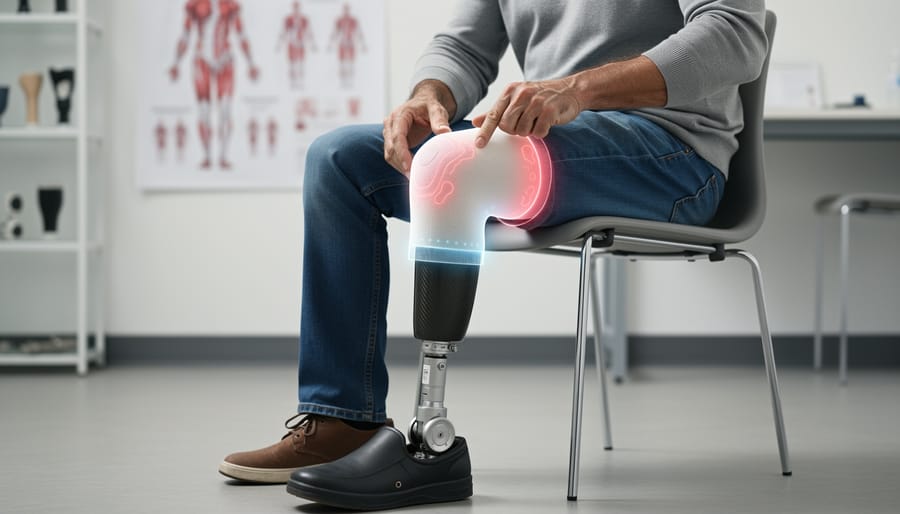
Sizing and Fit Problems
When a gel sock doesn’t fit right, it creates a cascade of problems that affect your entire prosthetic system. The wrong size transforms what should be a protective layer into a source of constant frustration.
Too-tight gel socks compress your residual limb excessively, restricting blood flow and causing throbbing pain that worsens throughout the day. You’ll notice deep indentations in your skin after removal, persistent tingling, or numbness in your limb. The excessive compression can also trap heat and moisture against your skin, creating the perfect environment for breakdown.
Conversely, loose gel socks bunch and wrinkle inside your socket, creating pressure points that cause blisters and hot spots. The sock shifts during walking, changing how your limb sits in the socket with every step. This constant movement destroys the stability you need for confident gait and efficient energy transfer.
Residual limb volume changes make this worse. Your limb naturally fluctuates in size due to fluid retention, weight changes, activity levels, and time of day. A gel sock that fits perfectly in the morning may feel loose by afternoon as your limb volume decreases with activity. Seasonal weight gain or new medications can make your usual sock suddenly feel restrictive.
Thickness mismatches compound these issues. Gel socks come in different plies, and using the wrong thickness throws off your carefully calibrated socket fit. One extra ply can make your socket uncomfortably tight, while dropping a ply creates excessive space and movement.
Material Deterioration and Wear
Gel prosthetic socks don’t last forever, and recognizing the signs of wear helps you replace them before they cause problems. The gel material gradually loses its structural integrity through daily use, affecting both comfort and function.
The most common form of deterioration is loss of elasticity. Your sock may feel looser than when new, stretch out during wear, or develop permanent “memory” where it stays stretched. This happens as the polymer chains in the gel break down from repeated compression and friction against your liner and skin.
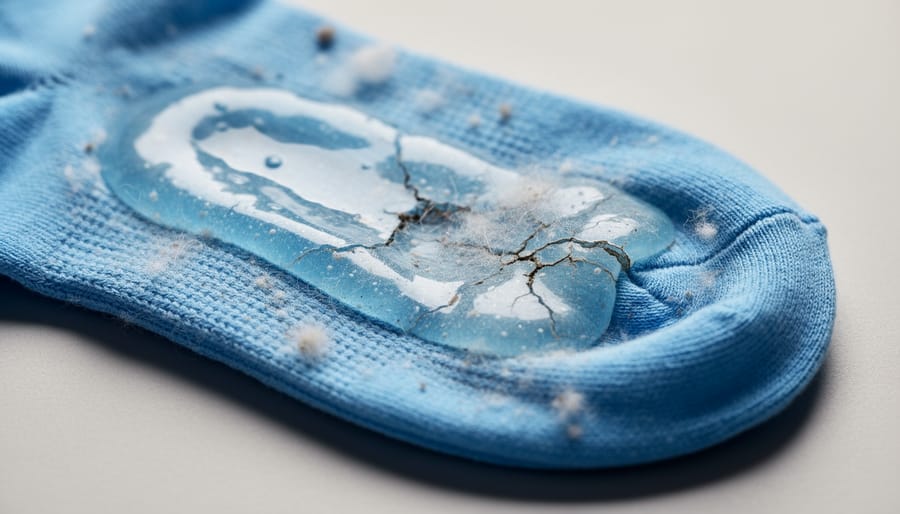
Surface degradation shows up as tackiness, a sticky or gummy texture, or visible thinning in high-pressure areas like the distal end or bony prominences. You might notice the sock feels rougher or develops small tears at stress points. These surface changes directly impact how the sock interfaces with your liner, often causing the slippage issues you’re experiencing.
Moisture-wicking properties decline as the gel’s porous structure collapses. An older sock retains more sweat, feels heavier when damp, and takes longer to dry between washes.
Most gel socks last three to six months with daily wear, though this varies based on activity level, body chemistry, and maintenance habits. If your sock is approaching this timeframe and showing any deterioration signs, replacement is likely overdue.
Hygiene and Maintenance Lapses
Poor hygiene practices damage both your gel sock and your skin faster than you might expect. When you skip daily washing or rinse your sock with just water, sweat, dead skin cells, and natural oils accumulate in the gel material. This buildup creates the perfect environment for bacteria and fungi to thrive, leading to skin infections, persistent odors, and material degradation that compromises the sock’s protective properties.
Improper drying causes equally serious problems. Storing a damp gel sock in your prosthetic case or drawer traps moisture against the material, accelerating breakdown of the gel’s structure. The sock loses its cushioning ability and elasticity much faster than it should. Wringing or twisting gel socks during washing creates micro-tears in the material that expand with repeated use, while heat exposure from radiators or direct sunlight causes the gel to harden and crack.
Using harsh soaps, fabric softeners, or lotions directly on your gel sock leaves chemical residue that breaks down the material. These products also reduce the sock’s moisture-wicking ability, ironically making sweating problems worse.
Compatibility Issues with Liners and Sockets
Your gel prosthetic sock doesn’t exist in isolation, it works as part of a system with your liner and socket. When these components don’t play well together, you’ll feel it immediately through slippage, bunching, or uneven pressure.
Liner material matters significantly. Silicone liners and gel socks often create too much friction against each other, causing the sock to bunch or roll during movement. This friction can also generate excessive heat, leading to sweating problems that compound the issue. Urethane liners typically work better with gel socks because they offer a smoother interface, though they may still require specific gel formulations designed for compatibility.
If you’re using a gel liner, adding a gel sock might seem logical, but this combination can create instability. Two gel layers sliding against each other produce unpredictable movement patterns that compromise your socket fit. Many prosthetists recommend cushion socks or fabric alternatives instead when gel liners are involved.
Socket design plays an equally critical role. Vacuum-assisted suspension systems require precise fit tolerances, and gel socks can disrupt the seal needed for proper vacuum generation. Pin suspension systems handle gel socks more forgivingly, but the pin placement must account for the sock’s thickness.
Total contact sockets with minimal space between liner and socket wall leave little room for gel sock thickness. If your socket was cast without accounting for a gel sock, forcing one in will create pressure points and compromise your fit. Always discuss sock additions with your prosthetist before assuming they’ll work with your current setup.
Your Step-by-Step Fix: Solutions for Every Gel Sock Problem
Addressing Skin Irritation and Breakdown
When you notice redness, itching, or raw spots under your gel sock, act immediately. Continuing to wear the sock can turn minor irritation into serious skin breakdown requiring weeks to heal.
Remove the sock and inspect your skin. If you see any blistering, open wounds, or weeping areas, stop using your prosthesis until your skin heals completely. Clean the affected area gently with mild soap and water, pat dry thoroughly, and apply any prescribed barrier cream or wound care products your prosthetist has recommended. Check your skin multiple times daily, even when not wearing your prosthesis.
Differentiate between friction damage and allergic reactions. Friction typically causes localized redness or blisters in high-pressure zones like the fibular head or distal end. These spots feel tender and worsen after prolonged wear. Allergic reactions, by contrast, create widespread redness, raised bumps, or intense itching across the entire contact area. If you suspect an allergy to the gel material, discontinue use entirely and contact your prosthetist about hypoallergenic alternatives.
Give your skin recovery time. Even minor irritation needs at least 24 to 48 hours of prosthesis-free healing before resuming wear. During this period, elevate your residual limb when possible to reduce swelling and improve circulation. Resume use gradually, wearing your prosthesis for shorter periods initially while monitoring closely for recurring symptoms.
For persistent irritation despite these measures, seek prosthetic service help promptly. Your prosthetist can assess whether the gel sock material, thickness, or socket fit requires modification to prevent recurring skin damage.
Fixing Slippage and Movement Issues
Start by checking your donning technique. Roll the gel sock smoothly onto your residual limb without twisting or bunching the material. Trapped wrinkles create uneven surfaces that encourage slippage. Pull the sock completely up before rolling down your liner, ensuring full contact between the gel and your skin.
If proper donning doesn’t solve the problem, your sock thickness may be wrong for your current limb volume. A sock that’s too thin won’t provide enough grip, while an overly thick one can create bulk that prevents proper suspension engagement. Try going up one ply thickness if you’re experiencing pistoning or the sock slides within the socket. Volume fluctuations throughout the day often mean you need different thickness options available.
Check how your suspension system interacts with the gel sock. Pin locks, shuttle locks, and vacuum systems all create different pressures that affect sock stability. Some suspension types require the gel sock to extend precisely to a specific height. If your sock bunches below the suspension point or gets caught in the mechanism, trim it to the correct length or switch to a sock designed for your suspension style.
When slippage persists despite these adjustments, examine the gel material itself. Deteriorated gel loses its tacky surface and won’t grip properly. Run your fingers over the sock, if it feels slick or powdery rather than slightly sticky, replacement is needed regardless of visible wear.
Managing Moisture and Heat Problems
Excessive sweating is one of the most common complaints with gel prosthetic socks, but you have several proven strategies to regain control. Start by increasing your washing frequency, daily washing isn’t overkill when moisture is creating discomfort or odor. Between washes, remove your prosthesis for brief breaks during the day if possible, allowing both your skin and the sock to air out. This simple habit prevents moisture buildup that compromises both comfort and skin integrity.
A rotation system transforms moisture management. Own at least three gel socks so you can wash one, wear one, and have one completely dry and ready. Never put on a gel sock that feels even slightly damp; trapped moisture against your skin invites breakdown and bacterial growth. If heat is the primary issue, consider timing your prosthetic wear around the coolest parts of the day and using a fan or air conditioning when available.
When standard gel socks can’t keep up with your perspiration, discuss moisture-wicking alternatives with your prosthetist. Some manufacturers now offer gel socks with enhanced breathability or hybrid designs that balance cushioning with ventilation. Proper moisture management directly supports better rehab outcomes since dry, comfortable skin lets you focus on building strength and mobility rather than managing discomfort. You might also layer a thin, moisture-wicking fabric sock under your gel sock to pull sweat away from your skin, your prosthetist can recommend compatible options that won’t compromise your socket fit.
Correcting Fit Changes and Socket Comfort
Your residual limb’s volume naturally fluctuates throughout the day and across weeks or months due to activity level, hydration, weight changes, and healing processes. When your gel sock suddenly feels different, either too tight or too loose, you need to act quickly to maintain proper socket fit and prevent skin problems.
Start by adding or removing sock plies. If your limb has lost volume and you’re experiencing pistoning (up-and-down movement in the socket), add a thin prosthetic sock layer over your gel sock. Begin with a single-ply cotton or wool sock, which adds minimal bulk while improving fit. For more significant volume loss, stack multiple thin layers rather than jumping to thick socks immediately. This gradual approach gives you finer control over fit adjustments.
For temporary swelling after extended wear or activity, remove a sock ply or take a break from your prosthesis. Apply elevation and cold compression to reduce fluid accumulation. Once swelling resolves, reassess whether your standard gel sock configuration works again.
Track patterns in your volume changes. If you consistently need different sock combinations at specific times, more plies in the afternoon, fewer in the morning, document this and discuss it with your prosthetist. Getting the right fit often requires professional adjustments when home remedies no longer work.
When adding three or more sock plies becomes necessary to achieve acceptable fit, or when no sock combination prevents movement, your socket needs modification. Continuing with excessive sock layers compromises suspension, reduces proprioception, and increases skin breakdown risk. Schedule a prosthetist appointment before these compensations become your daily norm. Socket adjustments or a new socket may be required to restore proper function and comfort.
Preventing Future Problems: Care and Maintenance Best Practices
Proper Washing and Drying Techniques
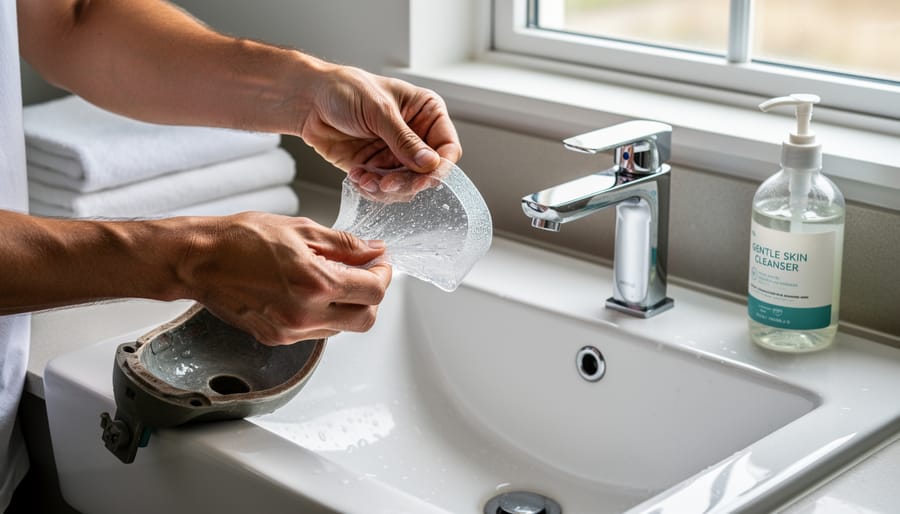
Wash your gel prosthetic sock daily with lukewarm water, never hot, which breaks down the gel material faster. Use a mild, fragrance-free soap like baby shampoo or a specialized prosthetic cleanser. Harsh detergents, fabric softeners, and antibacterial soaps degrade the gel and can irritate your skin.
Turn the sock inside-out before washing to clean the side that contacts your skin most thoroughly. Gently hand-wash rather than machine-washing, which stretches the material unevenly. Rinse completely until the water runs clear; soap residue attracts dirt and causes skin reactions.
For drying, squeeze, don’t wring, excess water out. Pat with a clean towel to remove more moisture. Then air-dry the sock inside-out, away from direct heat sources. Radiators, hair dryers, and direct sunlight all accelerate material breakdown. Hanging the sock or laying it flat works best.
Plan your washing schedule so the sock dries overnight. A damp gel sock loses its cushioning properties and becomes a breeding ground for bacteria. If you’re in a humid climate or need faster drying, place the sock near a fan, just not a heater.
Storage and Rotation Strategies
Owning at least two gel prosthetic socks lets you rotate daily while one dries completely, which can double their usable life. Three socks gives you even more flexibility for washing schedules and prevents the temptation to wear a damp sock when rushed.
Store clean, dry gel socks flat in a cool, dark drawer away from direct sunlight and heat sources. UV exposure and high temperatures break down gel materials faster. Never fold or crumple them, as creases can become permanent weak points where the material tears.
Label each sock with its purchase date using a fabric marker on the exterior edge. This helps you track age and rotate evenly, ensuring no single sock gets overused. Replace the oldest sock first when you notice signs of wear, maintaining a fresh rotation that protects your skin and socket fit.
Monitoring and Replacement Guidelines
Catching problems early protects both your skin and your investment. Check your gel sock daily during removal, run your fingers across both surfaces feeling for sticky spots, thin areas, or rough patches that signal breakdown. Hold it up to light; tears often appear as bright spots before becoming visible holes. Stretch it gently: if it doesn’t snap back to shape or feels saggy, the material has lost integrity.
Replace your gel sock when you notice persistent skin irritation that cleaning doesn’t resolve, visible material degradation like tears or excessive thinning, loss of elasticity that causes bunching or slippage, or chronic odor despite proper washing. Most gel socks last three to six months with daily use, though this varies by activity level and care routine. Don’t wait for catastrophic failure, degraded socks compromise your socket fit and skin health long before they tear completely.
Document issues with photos and dates to support insurance claims. Most policies cover replacement every three to six months, but you’ll need your prosthetist to submit authorization showing medical necessity. Start the process when you notice decline, not when the sock fails completely, insurance processing takes time. Your prosthetist understands how proper socket components, including quality gel socks, contribute to rehab technology benefits and can document why timely replacement matters for your function and independence. Keep backup socks on hand so insurance delays don’t force you into using compromised equipment.
Understanding Your Options: Gel Sock Alternatives and Upgrades
Gel socks serve many amputees well, but they’re not the only option, and sometimes they’re not the right one. If you’re consistently fighting problems despite proper care and sizing, or if your activity level or residual limb characteristics have changed, exploring alternatives makes sense. Rather than assuming you must tolerate ongoing issues, work with your prosthetist to evaluate whether a different sock material or style better matches your needs.
- Standard Gel Socks
- Provide cushioning and suspension for moderate activity levels, best for users with sensitive skin who need extra protection but don’t engage in high-impact sports or extreme perspiration scenarios.
- Silicone Interface Socks
- Offer superior grip and less moisture absorption than gel, making them ideal for active users or those in hot climates who experience excessive sweating with traditional gel materials.
- Cotton or Wool Prosthetic Socks
- Traditional woven socks in various ply thicknesses that absorb moisture effectively and allow easy volume adjustments, though they provide less cushioning than gel alternatives.
- Nylon or Synthetic Blend Socks
- Thin, durable options that dry quickly and work well layered under gel socks or as standalone interfaces for users who prioritize heat management over maximum cushioning.
- Hybrid Gel-Fabric Combinations
- Feature gel zones in high-pressure areas with breathable fabric panels elsewhere, balancing targeted protection with improved ventilation and moisture control.
The decision isn’t always either-or. Many prosthetists recommend a rotation approach: gel socks for everyday wear when comfort is paramount, and silicone or synthetic options for exercise, swimming, or hot weather. Some users layer a thin cotton sock under their gel sock to manage moisture without sacrificing cushioning. Others discover that combining a thinner gel sock with additional prosthetic sock plies gives them better volume control than a single thick gel sock.
Your residual limb’s characteristics should guide the choice. Bony prominences typically benefit from gel’s targeted cushioning. Conical or tapered limb shapes may achieve better suspension with silicone’s grip. Users prone to contact dermatitis might tolerate cotton better than any synthetic material. If you’ve hit a wall with device troubleshooting yet problems persist, the material itself may be the mismatch, not your care routine or technique. Schedule a fitting appointment to test alternatives rather than continuing with a solution that’s creating more problems than it solves.
Frequently Asked Questions About Gel Prosthetic Socks
How long should a gel prosthetic sock last?
Most gel socks last three to six months with daily use and proper care, though this varies based on activity level and maintenance habits. Replace them sooner if you notice tears, loss of elasticity, or persistent skin irritation.
Will insurance cover replacement gel socks?
Many insurance plans cover prosthetic socks as part of your overall prosthetic care, but coverage varies widely by provider and plan type. Work with your prosthetist to document medical necessity and submit claims according to your plan’s schedule, which often allows replacements every three to six months.
Can I wear a gel sock without a liner?
No, gel socks are designed to work with a prosthetic liner, not to replace one. Wearing a gel sock directly against your skin inside the socket will cause excessive friction, skin breakdown, and won’t provide the cushioning and suspension you need.
How do I travel with gel prosthetic socks?
Pack at least one clean spare in your carry-on luggage, and consider bringing a small container of gentle soap for washing if you’ll be away more than a day or two. Gel socks are small and lightweight, so carrying extras doesn’t add much bulk to your bag.
Can I use fabric softener when washing gel socks?
Never use fabric softener, bleach, or harsh detergents on gel prosthetic socks. These products break down the material, reduce moisture-wicking ability, and can cause skin irritation when you wear the sock.
Why does my gel sock roll down during the day?
Rolling typically happens when the sock is too large, has lost its elasticity from wear, or your residual limb volume has decreased. Try a smaller size or thicker ply first, and consult your prosthetist if the problem persists despite fresh socks.
Can I swim or shower wearing my gel sock and prosthesis?
This depends entirely on whether your specific prosthetic components are waterproof. Most gel socks and liners aren’t designed for water exposure, and moisture trapped in the socket creates serious skin problems, so check with your prosthetist about water-safe options if you need them.
Should I wear the same gel sock thickness year-round?
Your needs may change with seasons as your activity level shifts and your residual limb responds to temperature fluctuations. Many people need thicker socks in winter when limb volume decreases slightly, and thinner ones in summer when increased activity and warmth cause swelling.
Beyond these common questions, remember that your situation is unique. What works perfectly for another prosthetic user might not suit your body, activity level, or socket design. If you’re facing a problem not addressed here or standard solutions aren’t working, that’s a clear signal to contact your prosthetist rather than continuing to troubleshoot alone.
Your prosthetist has seen hundreds of gel sock issues and can often identify problems you might miss. They can also access manufacturer resources, insurance documentation support, and alternative products that aren’t widely advertised. Building a collaborative relationship where you feel comfortable asking any question, no matter how minor it seems, leads to better outcomes and fewer prolonged problems with your prosthetic system.
Problems with your gel prosthetic sock don’t mean you have to settle for discomfort or compromised mobility. The troubleshooting strategies we’ve covered give you concrete steps to identify what’s going wrong and fix it, whether that means adjusting your cleaning routine, rotating through multiple socks, or recognizing when replacement is overdue. Your comfort matters, and small changes in how you care for and use your gel sock can make a dramatic difference in your daily experience.
Remember that your prosthetic socket fit, liner performance, and skin health all work together as a system. A failing gel sock affects everything downstream, but the reverse is also true: maintaining your sock properly supports better overall prosthetic function and helps you stay active without interruption.
If you’ve tried the solutions in this guide and still face persistent issues, that’s your signal to schedule time with your prosthetist. They can assess whether you need a different sock thickness, an alternative material, or adjustments to other components of your prosthetic system. Advocating for your comfort isn’t being demanding; it’s taking ownership of your quality of life. You deserve a prosthetic setup that works reliably, and the right support team will help you get there.